Driveway Permit Application Broward County
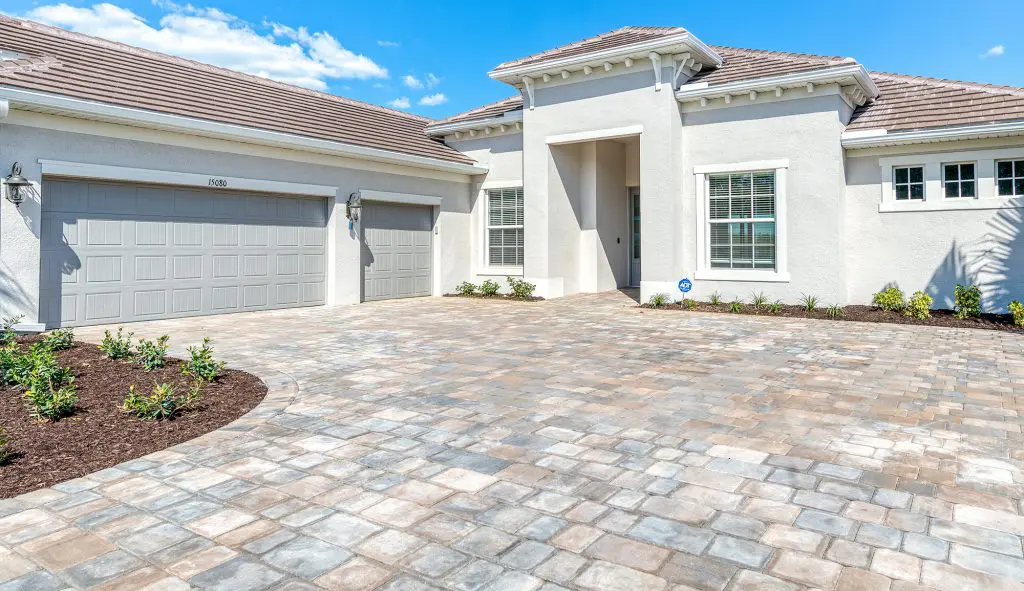
Broward County Permit Guide Driveway Permit Application Broward County: What You Need to Apply Installing, replacing, widening or converting a driveway in Broward County? Before concrete, asphalt or pavers are installed, make sure the project has the correct zoning, building and right-of-way approvals. Do You Need a Permit for a Driveway in Broward County? In most cases, yes. A driveway project may require a building permit, zoning approval and, when construction affects the County right-of-way, approval from Broward County Highway Construction & Engineering. Requirements depend on the property’s jurisdiction and the scope of work. How to Submit a Driveway Permit Application in Broward County Confirm the Property Jurisdiction First determine whether the property is in unincorporated Broward County or within a municipality such as Hollywood, Fort Lauderdale, Davie, Plantation or Pompano Beach. Prepare the Survey and Plans Plans should clearly show the existing and proposed driveway, dimensions, property lines and construction material such as concrete, brick pavers or asphalt. Obtain Zoning Approval Zoning review may evaluate driveway dimensions, parking configuration, setbacks and the amount of front-yard area being paved. Check Right-of-Way Requirements If the driveway connects to or includes work within Broward County right-of-way, additional Highway Construction & Engineering approval may be required before construction. Submit the Permit and Complete Inspections Submit the permit package through the appropriate jurisdiction, address any corrections, obtain permit issuance and complete required inspections before closing the project. Driveway Permit Application Checklist Completed building permit application Current property survey Driveway site plan with dimensions Proposed driveway material Zoning approval Contractor information when applicable Right-of-way approval when required Notice of Commencement when applicable Driveway Permits for Pavers, Concrete and Asphalt The permitting process applies to more than completely new driveways. Projects involving driveway widening, paver replacement, circular driveways, new aprons or changes to access from the roadway may also require review. Broward County’s published standards also regulate driveway width, parking spaces, drainage and construction within County right-of-way. A driveway located on the private-property side of the right-of-way may require a separate building permit. City Permit or Broward County Permit? This is where applicants frequently get confused. A property located inside a Broward municipality may require approval from the city plus an associated Broward County approval when County infrastructure or right-of-way is involved. Broward County’s ePermits OneStop provides online coordination for participating municipalities and associated County approvals. Need Help With Your Broward County Driveway Permit? 123 Permit Solutions can coordinate the permit application, survey and plan requirements, zoning review, municipal corrections and related County approvals. Explore our Broward County permit services or our permit expediting services . Broward County Driveway Permit FAQ Do I need a permit to install driveway pavers in Broward County? A permit and applicable zoning approval may be required for paver driveway construction, replacement or expansion. Requirements depend on the jurisdiction and scope. Do I need a survey for a driveway permit? Broward County’s driveway guidance requires survey information as part of the plan package so reviewers can verify property boundaries and the proposed driveway location. Can I widen my existing driveway? Potentially, but the proposed width, parking configuration, drainage, zoning requirements and right-of-way conditions must comply with the applicable jurisdiction’s standards. Driveway permit requirements vary by municipality, property location, roadway ownership and project scope. Verify current requirements with the applicable city and Broward County before beginning construction. Need a Driveway Permit in Broward County? Let 123 Permit Solutions help coordinate the application, plans, survey, zoning and County approvals needed to move your driveway project forward. Call (754) 364-0718 Start My Driveway Permit
Tree Removal Permit Application
Florida Tree Permit Guide Tree Removal Permit Application: What You Need Before Removing a Tree Planning to remove a tree from residential or commercial property? Before scheduling removal, determine whether your city or county requires a tree removal permit application, inspection, photographs, site information or replacement trees. Do I Need a Tree Removal Permit in Florida? It depends on the property, tree and local jurisdiction. Florida cities and counties may regulate tree removal, but state law provides an important exception for certain dangerous trees on qualifying single-family residential property when the owner has proper documentation from an ISA-certified arborist or Florida-licensed landscape architect. How to Complete a Tree Removal Permit Application Confirm the Correct Jurisdiction Determine whether the property is regulated by a city or unincorporated county. Tree-removal requirements can differ even between neighboring South Florida municipalities. Identify the Tree Record the number of trees, species, approximate size and exact location on the property. Some jurisdictions may request a site plan or tree survey. Take Clear Photographs Provide photos showing the entire tree, trunk, surrounding structures and any visible damage or condition supporting the removal request. Explain Why Removal Is Needed Reasons may include disease, structural risk, construction conflicts, property damage or another condition recognized by the applicable local code. Submit and Wait for Approval Do not remove a regulated tree simply because an application has been submitted. Wait for the required municipal approval unless a valid Florida statutory exemption applies. Tree Removal Permit Application Checklist Property address Property owner and applicant information Number and species of trees Tree locations Photographs Reason for removal Site plan or tree survey if required Arborist documentation when applicable Building permit number if connected to construction Tree Removal Permits in Hollywood, Florida The City of Hollywood requires its tree removal or relocation application to identify the trees or palms involved, their species and location, the reason for removal, property information and photographs. Depending on the application, the City may inspect the tree and impose replacement or mitigation requirements. Applicants can review the official City of Hollywood Tree Removal/Relocation Permit Application . Florida Dangerous Tree Exception Under Florida Statute 163.045, a local government may not require a tree-removal permit, application, fee or mitigation for a qualifying tree on certain residential property when an ISA-certified arborist or Florida-licensed landscape architect documents that the tree presents an unacceptable risk and removal is the only practical way to reduce that risk below moderate. This state provision does not override Florida’s separate mangrove-protection requirements. Need Help With the Permit Process? A tree-removal application may also connect to a larger construction, demolition, addition, driveway, pool or development permit. 123 Permit Solutions can help coordinate municipal applications and permit documentation through our Florida permit expediting services . Property owners and contractors in Fort Lauderdale, Hollywood, Davie, Plantation, Pembroke Pines and surrounding communities can also explore our Broward County permit services . Tree Removal Permit FAQ Can I remove a tree before the permit is approved? Generally, do not remove a regulated tree until the jurisdiction has approved the application unless a valid legal exemption applies. Do I need an arborist for a tree removal permit? Not for every application. However, professional arborist documentation may be required or beneficial for hazardous, protected or disputed tree removals. Will I have to plant a replacement tree? Possibly. Local ordinances may require mitigation or replacement planting depending on the tree and reason for removal. Florida law provides an exception for qualifying removals under Section 163.045. Tree-removal requirements vary by municipality, property type, tree species and circumstances. Always verify current requirements with the applicable local authority before removing a tree. Need Help With a Tree Removal Permit Application? Let 123 Permit Solutions help identify the jurisdiction, required paperwork and permitting path for your property. Call (754) 364-0718 Talk to a Permit Specialist
Expired Building Permits: What To Do
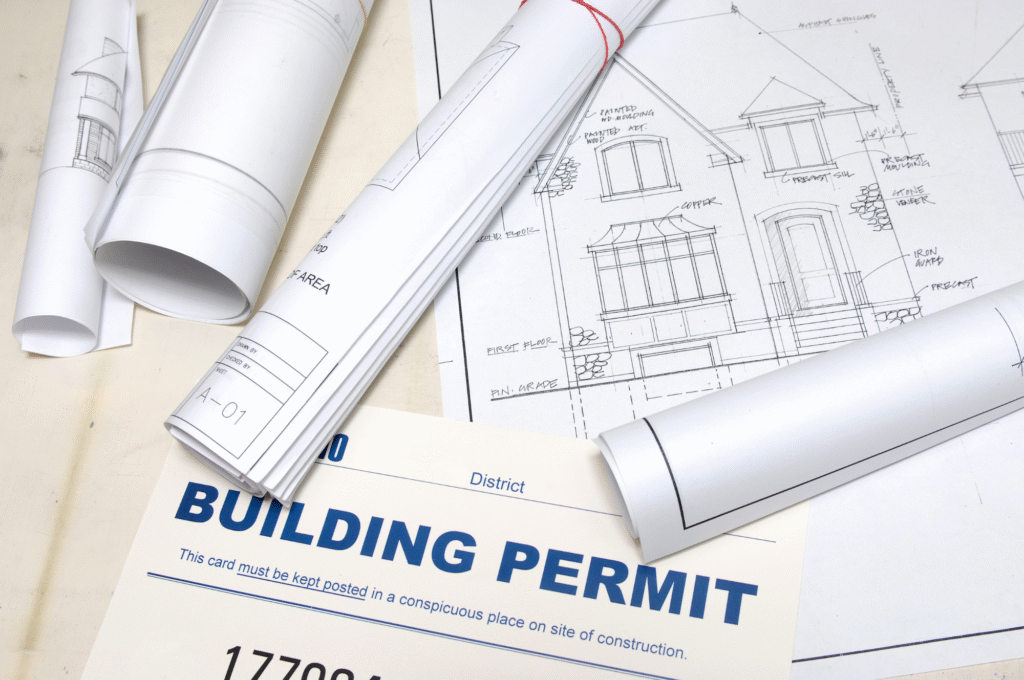
Florida Permit Help Expired Building Permits: What to Do in Florida Found an old permit that was never closed? An expired building permit can delay construction, inspections, refinancing, property sales and code compliance. Here is what to do next. What Should You Do If a Building Permit Expired? If your building permit has expired, do not simply continue construction under the expired permit. First confirm its status with the applicable city or county. The permit may need to be renewed, reissued or replaced before work continues. Outstanding inspections, plans, contractor documents or corrections may also need to be completed. How to Resolve an Expired Building Permit Check the Permit Record Search the property and permit number through the local building department. Identify when the permit expired, which inspections were completed and what remains outstanding. Determine Why It Expired Common causes include construction never starting, long periods without an approved inspection, contractor abandonment or simply failing to schedule the final inspection. Ask About Renewal or Reissuance The jurisdiction may have an expired-permit renewal or reissuance procedure. Fees, new applications and updated contractor information may be required. Complete Missing Inspections If work was already performed, inspectors may need to verify it before the permit can close. Concealed construction may sometimes require additional documentation or exposure. Get the Permit Formally Closed Do not assume a passed inspection means the entire issue is resolved. Confirm that the building department officially shows the permit as closed or completed. Expired Permits Can Become Bigger Property Problems An unresolved permit may surface during a title search, property sale, refinance, new construction project or code-compliance investigation. In some jurisdictions, another permit may also be delayed until the old permit is resolved. What Documents Should You Gather? Property address and permit number Original permit application and approved plans Inspection history Current contractor information Engineering or architectural documents Any violation or building department notices 123 Permit Solutions helps research, reactivate and close expired permits throughout Florida. Our team can coordinate inspections, missing plans, contractor documentation and municipal follow-up through our permit expediting services. For Broward County properties, see our Broward County permit services, including assistance with open and expired permit close-outs. Expired Building Permit FAQ Can I continue work after my permit expires? You should not continue permit-required work until the building department confirms that the permit has been renewed, reissued or replaced as required. Do I need a completely new permit? Not always. Some jurisdictions provide renewal or reissuance procedures, while other circumstances may require a new permit. The answer depends on the permit status and local rules. Can an old expired permit affect selling my house? Yes. Open or expired permits can appear during due diligence and may create concerns for buyers, lenders, insurers or title professionals. Permit expiration, renewal, fees and inspection requirements vary by Florida jurisdiction and permit type. Always verify the current status with the applicable building department. Have an Expired Building Permit? Send us the property address and permit number. We can help identify what is still open and create a path toward permit closure. Call (754) 364-0718 Review My Expired Permit
Florida Construction Permits 2026 Guide

2026 Florida Permitting Guide Florida Construction Permits 2026 Guide A straightforward 2026 guide to building permits in Florida — from identifying the correct jurisdiction and preparing plans to plan review, inspections and final permit closeout. Do You Need a Construction Permit in Florida? Florida generally requires permits for construction, alterations, modifications, repairs and demolition when the work falls within Florida Building Code requirements. The exact permits, plans and approvals depend on the project, property and local jurisdiction. Florida Construction Permit Process in 2026 Identify the Correct Jurisdiction Determine which city or county building department has authority over the property. Never assume the mailing address identifies the permitting jurisdiction. Define the Complete Construction Scope Identify every discipline involved, including building, structural, electrical, plumbing, mechanical, roofing or specialty work. Prepare Plans and Supporting Documents Depending on the project, this may include architectural or engineering drawings, surveys, energy calculations, product approvals and contractor documentation. Submit the Permit Application The jurisdiction reviews the submission for completeness and applicable building-code and local requirements. Additional departments may also review the project. Respond to Plan-Review Comments If corrections are issued, address each item completely and submit coordinated revisions rather than creating additional review cycles. Complete Inspections and Close the Permit Construction must follow the approved documents. Required inspections should be passed and final permit status confirmed before considering the project complete. Florida Permit Checklist Correct city or county jurisdiction Complete permit application Current construction plans Licensed contractor information when required Survey or site plan when applicable Florida Product Approvals or NOAs when applicable Required Notice of Commencement documentation Responses to all reviewer comments Required inspections and final closeout How Long Does a Florida Building Permit Take in 2026? Florida law establishes review timeframes for complete and sufficient building-permit applications, with deadlines varying by permit type, project size and circumstances. Local procedures and reviews involving zoning, fire, engineering or other agencies can affect the overall project timeline. Applicants may also have the option to use private provider plan review and inspections for eligible projects under Florida law. Avoid Permit Problems Before Construction Starts Starting work without the required permit can create violations, additional costs and possible after-the-fact permitting requirements. If work has already been completed, review our after-the-fact permit services. For new projects, 123 Permit Solutions provides Florida permit expediting services covering applications, plan coordination, municipal corrections, tracking, inspections and closeout. Florida Construction Permit FAQ Can I start construction while my permit is being reviewed? Do not begin permit-required work simply because an application was submitted. Confirm that the applicable permit and required approvals have been issued before starting. Are permit rules the same in every Florida city? No. Florida has a statewide building code, but jurisdiction-specific forms, administrative procedures, zoning rules and qualifying local requirements may also apply. Can 123 Permit Solutions handle the entire permit process? 123 Permit Solutions coordinates permit applications, plans, corrections, municipal communication, inspection management and permit closeout for residential and commercial projects. This guide provides general permitting information. Requirements vary by jurisdiction, construction scope and property. Final approval is determined by the applicable governmental authorities. Need a Florida Construction Permit in 2026? Get your plans, permit package and municipal process organized before delays become expensive. Call (754) 364-0718 Start My Permit
Common Building Permit Issues in South Florida

South Florida Permit Help Common Building Permit Issues in South Florida Many South Florida permit delays are caused by incomplete submissions, inconsistent plans, missing product approvals, jurisdiction-specific requirements or unresolved inspection issues. Why Do Building Permits Get Delayed in South Florida? Most permit problems begin before the application reaches final approval. Missing documents, incorrect plans, unresolved reviewer comments, zoning issues and improper hurricane-zone product documentation can trigger corrections and additional review cycles. 6 Common South Florida Building Permit Problems 1 Incomplete Permit Applications Missing owner information, contractor documentation, signatures, plans or supporting forms can prevent an application from being considered complete. 2 Plans That Do Not Match the Scope The architectural, structural, electrical, plumbing and mechanical documents should accurately describe the work being permitted. 3 Missing Product Approvals Windows, doors, roofing products and other regulated components may require appropriate Florida Product Approvals or Miami-Dade NOAs. 4 Zoning or Departmental Conflicts A building-code review is only one part of many projects. Zoning, planning, fire, engineering, utilities or floodplain review may also be required. 5 Notice of Commencement Problems When Florida law requires a Notice of Commencement, recording or documentation issues can interfere with the inspection process. 6 Open or Failed Inspections A permit is not finished just because it was issued. Required inspections must be completed and the permit properly closed. Broward and Miami-Dade: Watch the HVHZ Requirements Broward and Miami-Dade Counties are within Florida’s High-Velocity Hurricane Zone. Exterior products and assemblies may have additional wind-resistance and approval requirements. Submitting a product approval that is not approved for the applicable HVHZ use can create an avoidable correction. How to Reduce Permit Corrections Confirm the property jurisdiction first. Then verify the complete project scope, required disciplines, current plans, product approvals and municipal forms before submission. When comments are issued, answer each reviewer item clearly instead of resubmitting incomplete corrections. 123 Permit Solutions provides permit expediting services and coordinates applications, plans, corrections, inspections and close-outs throughout South Florida. We also assist with after-the-fact permits when work has already been completed without proper approval. South Florida Permit FAQ Why was my permit rejected? A permit may require corrections because information is incomplete or plans do not comply with applicable building codes, local regulations or other reviewing-department requirements. What is an HVHZ product approval? It documents that an applicable building product has approval for use under High-Velocity Hurricane Zone requirements. Broward and Miami-Dade projects require particular attention to HVHZ compliance. Can a permit expeditor fix plan-review comments? A permit expeditor can coordinate the response process, while required technical revisions must be completed by the appropriate licensed design or construction professional. Permit requirements vary by municipality and project. Confirm current requirements with the appropriate South Florida building department. Is Your South Florida Permit Stuck? Let 123 Permit Solutions identify outstanding requirements and coordinate the next steps toward approval. Call (754) 364-0718 Review My Permit
Florida Building Code Update 2026
Florida Construction Code News Florida Building Code Update 2026: What Property Owners and Contractors Need to Know Florida is preparing for the 9th Edition (2026) Florida Building Code. Here is what contractors, developers and property owners should know before submitting plans or starting construction. What Is the Florida Building Code Update for 2026? As of August 2026, the 8th Edition (2023) Florida Building Code remains the current effective code. Florida is completing development of the 9th Edition (2026), with the new edition scheduled to take effect December 31, 2026. Projects should therefore be reviewed against the code legally applicable when the permit is submitted and processed. Florida Building Code Status in 2026 Current Code 8th Edition (2023) The 8th Edition became effective December 31, 2023 and remains Florida’s operative statewide building code during most of 2026. Upcoming Code 9th Edition (2026) The Florida Building Commission is completing the 2026 code-update process, with the new edition scheduled for effectiveness on December 31, 2026. What Could the 2026 Code Update Affect? The Florida Building Code covers multiple construction disciplines. Changes between editions can affect: Structural and wind-resistance requirements Residential and commercial construction Roofing systems and exterior components Electrical, plumbing and mechanical work Energy-efficiency requirements Accessibility requirements Swimming pools and specialty construction Existing-building alterations and renovations Florida also permits qualifying local technical amendments that are more stringent than statewide minimum requirements. That makes the project jurisdiction just as important as the statewide code. South Florida Projects Require Extra Attention Projects in Broward and Miami-Dade Counties may involve High-Velocity Hurricane Zone requirements, including additional wind-design and product-approval considerations. Using a product approval that does not cover the project’s location can cause plan-review comments or delays. Planning a Permit Before the New Code Takes Effect? Do not assume that a project designed earlier in 2026 automatically complies with requirements applicable at the time of permitting. Confirm the correct code edition, local amendments, project scope and product approvals before submission. 123 Permit Solutions coordinates Florida permit expediting, architectural and engineering documentation, municipal corrections and private provider services. Contractors and design professionals can also follow the Florida Building Commission for official code-development updates. Florida Building Code 2026 FAQ Is the 2026 Florida Building Code already in effect? No. As of August 2026, the 8th Edition (2023) remains effective. The 9th Edition (2026) is scheduled to take effect December 31, 2026. Does the Florida Building Code apply statewide? Yes, although qualifying local amendments and jurisdiction-specific administrative requirements may also apply. Should projects planned for late 2026 be reviewed now? Yes. Projects near a code transition should confirm which edition will apply to the permit and whether design documents may require updates. Code-development schedules and requirements can change. Verify the current code edition and project-specific requirements with the applicable building department before relying on this information. Preparing a Florida Construction Permit? Let our permit team review the jurisdiction, plans, documentation and permit path before avoidable problems delay your project. Call (754) 364-0718 Request a Project Review
Building Permits and Plans Services
Florida Permit & Plan Coordination Guide Building Permit and Plans Services in Florida: A Complete Guide for 2026 What property owners, contractors and developers need to move from an idea or existing condition to coordinated plans, a complete permit submission and final municipal approval. Request a Project Review Call (754) 364-0718 The Direct Answer What are building permit and plans services? Building permit and plans services coordinate the technical drawings, supporting documents, permit application and municipal review needed to obtain approval for construction. A complete service should connect the project scope to the right architectural, structural, mechanical, electrical and plumbing documents—not simply upload a form and wait. Before submission: confirm the jurisdiction, permit types, project team and required documents. During plan review: track each department, organize reviewer comments and coordinate complete corrections. After approval: support permit issuance, inspections, revisions and closeout according to the project scope. Plans + Process Why permit drawings and permit processing belong together A drawing can look polished and still fail plan review if it does not match the permit application, contractor scope, survey, product approvals or existing property records. The opposite is also true: a correctly completed application cannot rescue an incomplete plan set. Building departments review the package as a connected record. Under Florida Statute § 553.79, plans and specifications required by the Florida Building Code must be reviewed for compliance before an enforcing agency issues the permit. Local agencies also publish their own application types, attachment lists and review procedures. That makes early jurisdiction research essential: the city, unincorporated county, fire authority, zoning department and outside agencies may each control a different part of the same project. The expensive mistake: hiring someone to draw plans before confirming the complete construction scope and local submittal checklist. That often produces avoidable redesign, repeated review comments and fees for documents the project should have coordinated from day one. 01 Scope & jurisdiction review Define the actual work, identify the authority having jurisdiction and determine which building, zoning, fire and trade approvals may apply. 02 Plans & document coordination Organize the drawings, calculations, product documents, surveys, forms and licensed professionals required for that scope. 03 Submission through closeout Submit the package, track reviews, coordinate corrections and help manage issuance, inspections, revisions and final records. Permit Package What a building permit plan set may need The right documents depend on the property, proposed work and reviewing jurisdiction. A small trade replacement does not need the same package as a room addition, restaurant build-out or new commercial building. The table below is a practical screening guide—not a substitute for the project-specific checklist issued by the local building department. Permit document What it communicates Common project triggers Architectural plans Existing and proposed layouts, dimensions, elevations, sections, demolition, room uses, exits and accessibility details. Additions, remodels, tenant improvements, conversions, changes of use and new construction. Structural plans Foundations, framing, beams, connections, load paths, repair details and supporting calculations when required. Wall removal, additions, roof or opening changes, structural repairs and new buildings. Mechanical, electrical and plumbing plans HVAC design, equipment, circuits, panels, lighting, plumbing fixtures, piping, risers and related calculations. Build-outs, major renovations, equipment changes, service upgrades and relocated systems. Site plan or property survey Property boundaries, setbacks, structures, easements, elevations, utilities, access and proposed site work. Additions, pools, fences, accessory structures, drainage work and exterior improvements. Product and system documents Product approvals, notices of acceptance, specifications, installation details and energy information. Windows, doors, roofing, shutters, exterior systems and regulated equipment. Permit and ownership forms Scope, project valuation, owner authorization, contractor information and jurisdiction-specific affidavits. Nearly every permit, with exact requirements set by the reviewing agency. When professional design is required, the plans must be prepared, signed and sealed by the properly licensed Florida professional for that discipline. A permit coordinator or expediter does not replace the architect, engineer or contractor. The value is in keeping those roles, documents and municipal requirements aligned. 123 Permit Solutions provides and coordinates architectural and engineering plans, including structural and MEP disciplines, and can organize the plan package around the permit path rather than treating drawings and submission as unrelated tasks. From Scope to Approval The building permit and plans process, step by step Define the full construction scope Record what exists, what will be removed and what will be installed. Photos, contractor proposals, prior plans and violation notices can reveal work that a short project name misses. Identify the correct jurisdiction and approvals Confirm whether the city or county handles the property and whether zoning, fire, environmental, public works, utility, HOA or other approval is required before or alongside building review. Build a project-specific submittal checklist Match the permit type to the required application, plans, survey, calculations, product documents, contractor credentials and owner authorizations. Generic checklists are not enough for complex work. Prepare and coordinate the drawings Architectural, structural and MEP sheets should describe the same scope and conditions. Conflicts between disciplines should be corrected before the package reaches a reviewer. Submit and monitor every review discipline Upload files using the municipality’s naming, signature and format rules. Track building, structural, electrical, mechanical, plumbing, zoning and fire reviews instead of watching only the overall status. Answer comments with coordinated revisions A good resubmittal addresses every comment, clouds or identifies revisions when required and keeps forms, plans and supporting documents consistent. Partial answers usually create another review cycle. Issue, inspect, revise and close After fees and conditions are satisfied, obtain the issued permit before starting regulated work. Keep approved plans available, schedule required inspections, submit revisions when the field condition changes and secure final approval or the applicable certificate. For owners or contractors who already have plans, permit expediting services can focus on document review, submission, tracking and municipal follow-up. When drawings are missing or inadequate, the plan scope should be resolved first. Preventable Delays Why building permits get rejected or stuck in review Plan-review comments are normal on many projects. Repeated comments are not. The worst delays usually come from coordination failures that were
Stop Work Order In Florida?
Florida Permit & Code Compliance Guide Stop Work Order in Florida? Here’s Exactly What to Do Next A practical guide for homeowners, investors, contractors, property managers, and real estate professionals dealing with halted construction or unpermitted work. Call (754) 364-0718 Request a Consultation Do not panic—but do not ignore the notice. A Stop Work Order generally means the local Building Department identified a permitting or compliance issue that must be addressed before construction can legally continue. The correct response is to pause the work, understand what the city requires, and begin organizing the documents needed to resolve the case. In This Guide What a Stop Work Order means Why it may be issued What to do immediately After-the-fact permits and plans Fines, timelines, and property sales Frequently asked questions What Is a Stop Work Order? A Stop Work Order is an official direction from a city or county requiring construction activity to pause. It may be posted at the property, delivered to a contractor, or sent directly to the property owner. The order does not necessarily mean the project has been permanently rejected. It means the reviewing authority wants specific permit, plan, inspection, licensing, zoning, or code issues addressed before work resumes. The exact wording on the notice matters. Some orders identify the suspected violation clearly, while others require research into the property’s permit history and the construction visible at the site. Because procedures differ among Florida cities and counties, your response must be based on the department named on your notice and the actual scope of work. Why Did You Receive a Stop Work Order? The most common reason is that construction began before the required permit was issued. This may happen because the owner did not know a permit was needed, a contractor promised to pull it later, or a previous owner completed work that remained unpermitted. Stop Work Orders may involve kitchen and bathroom remodeling, electrical or plumbing changes, HVAC replacement, impact windows, exterior doors, roofing, structural alterations, additions, garage conversions, and commercial build-outs. Permits are more than paperwork. Plan review and inspections allow the local authority to evaluate whether construction complies with applicable safety and building requirements. Even when finished work looks acceptable, concealed electrical, plumbing, mechanical, or structural components may still need to be documented and inspected. What to Do in the First 24 Hours 1. Stop Construction Unless the Building Department provides authorization, keep the affected work paused. Continuing after the order can create additional enforcement problems. 2. Document the Notice Photograph the posted order and record the case number, issuing department, inspector, date, cited work, deadlines, and contact information. 3. Gather Project Records Collect contracts, invoices, photographs, drawings, surveys, contractor information, existing permits, inspection records, and property documents. 4. Confirm the Required Path Determine which permits, professional plans, corrections, and inspections are required before submitting paperwork or restarting construction. Important: Do not remove the posted notice, conceal construction, or rush to finish the job. The goal is to create a documented path from the violation to approved permits, completed inspections, and final closure. Will You Need an After-the-Fact Permit? When construction started or was completed without the required approval, the Building Department may require an after-the-fact permit . This is a permit application used to evaluate work that already exists. Depending on the project, the municipality may request measurements, photographs, product approvals, surveys, architectural drawings, or structural, mechanical, electrical, and plumbing plans. Engineering plans are not automatically required in every case. The need depends on what was built, which systems were affected, and the requirements of the reviewing jurisdiction. Structural changes, additions, garage conversions, relocated plumbing, electrical alterations, and mechanical work commonly require more documentation than minor nonstructural work. What the Resolution Process May Include Reviewing the Stop Work Order and property permit history. Documenting the existing construction and affected systems. Preparing architectural or engineering plans when required. Submitting the correct permit applications and supporting records. Responding to plan-review comments or correction requests. Obtaining permit approval and scheduling inspections. Completing required corrections and closing the permit. Inspectors may need access to concealed construction. In some cases, limited sections of a wall, ceiling, or finished surface must be opened so electrical wiring, plumbing, framing, or mechanical components can be verified. For complicated projects, coordinated architectural and engineering plans can help prevent incomplete submissions and conflicting information between different construction disciplines. Fines, Timelines, and Selling the Property Will There Be Fines? Possibly. Fees and enforcement vary by municipality, project type, missed inspections, duration, and whether earlier notices were ignored. How Long Will It Take? There is no universal timeline. Plan complexity, review workload, revisions, inspection availability, and construction corrections all affect the process. Can the Property Be Sold? It may still be listed, but an open order can complicate lending, insurance, title review, due diligence, and closing. Complete documents and prompt responses can reduce avoidable delays. When a property sale or refinance is approaching, addressing the order early is usually easier than trying to resolve it under a closing deadline. Common Mistakes Property Owners Should Avoid Ignoring the notice or waiting months to respond. Continuing because the construction is “almost finished.” Assuming the case requires only a simple form. Submitting incomplete plans without identifying every affected discipline. Discarding contracts, photographs, drawings, invoices, or contractor records. Resolving only part of the unpermitted work. Waiting until a sale, refinance, or insurance review creates an emergency. When a separate code case is open, permit approval alone may not finish the process. Inspections, permit finalization, and formal code violation resolution may still be required before the property record is cleared. Stop Work Order FAQs Can I continue working after receiving the order? Generally, no. Keep the affected construction stopped unless the issuing Building Department specifically authorizes limited activity or allows work to resume. Is a Stop Work Order the same as a code violation? Not exactly. A Stop Work Order pauses construction, while a code violation is a broader compliance matter. A property may have both, and each
How to Pull Plumbing Permits in South Florida
South Florida Plumbing Permit Guide How to Pull Plumbing Permits in South Florida With a Licensed Plumber A practical guide for homeowners, property managers, investors, and contractors covering permit triggers, plumbing plans, applications, inspections, and final close-out across Miami-Dade, Broward, and Palm Beach counties. The short answer Most plumbing installations, replacements, relocations, and system alterations require a plumbing permit in South Florida. A properly qualified plumbing contractor commonly prepares or supports the application, provides license and insurance information, performs the permitted work, schedules inspections, corrects deficiencies, and closes the permit. Narrow repairs—such as clearing a stoppage or repairing an accessible leak without replacing or rearranging piping—may be exempt in some jurisdictions. Never assume an exemption based only on the price or the word “repair.” The complete scope and the local building department control the answer. Pulling a plumbing permit is not paperwork added after the job. It is the process that connects the approved scope, responsible contractor, required plans, code inspections, and final permit record. When that process is skipped, even competent-looking plumbing can create failed inspections, stop-work orders, code violations, insurance questions, or trouble during a property sale. ! Important 2026 update: Florida’s new permit exemption for certain single-family work valued at $7,500 or less does not automatically exempt plumbing work. The official Florida Senate summary identifies plumbing among the excluded work categories. A low project price is not permission to skip a required plumbing permit. Which plumbing projects usually need a permit? The table below is a screening guide. South Florida municipalities can apply different forms, thresholds, plan requirements, and inspection procedures. Plumbing project Typical starting answer What to confirm Clearing a clogged drain without replacing piping Often permit-exempt No pipe replacement, relocation, concealed repair, or other system alteration Repairing an accessible faucet, valve, toilet component, or minor leak Local exemption may apply Jurisdiction, project value, contractor qualification, and whether piping or fixture location changes Replacing a toilet, sink, faucet, or fixture in the same location Check local rules Exact replacement versus new piping, venting, drain, water-supply, or accessibility work Replacing a gas, electric, tankless, or commercial water heater Permit commonly required Local exemptions, electrical or gas scope, venting, pan and drain, expansion control, and inspections Whole-home repipe, water-service replacement, sewer replacement, or excavation Permit expected Utility coordination, right-of-way work, trench inspection, materials, testing, and restoration Moving a toilet, shower, sink, laundry connection, or commercial fixture Permit and plans likely Plumbing drawings, fixture units, slopes, vents, water sizing, accessibility, and building plans Bathroom or kitchen remodel that changes plumbing Usually part of a permit package Building, plumbing, electrical, mechanical, structural, accessibility, and association approvals Backflow device, grease interceptor, gas piping, commercial kitchen, or tenant build-out Special review expected Utility, environmental, fire, health, gas, test certification, and professional plan requirements Miami-Dade County’s official permit-exemptions page lists limited plumbing repairs and exact replacements that may be exempt when performed by a licensed plumbing contractor. The City of Miami publishes its own exemptions, which proves the larger point: county and municipal rules are not interchangeable. How to pull a plumbing permit in South Florida Identify the authority having jurisdiction. Determine whether the property is handled by Miami-Dade, Broward, Palm Beach County, or a municipality such as Miami, Hollywood, Fort Lauderdale, Pompano Beach, Aventura, Boca Raton, or West Palm Beach. The property address—not the contractor’s office—determines the reviewing jurisdiction. Define the complete plumbing scope. List every fixture, pipe, drain, vent, valve, heater, gas connection, backflow device, trench, wall opening, electrical connection, and relocation. Permit mistakes often begin with a vague description such as “bathroom plumbing.” Verify the plumbing contractor. Confirm the business name, qualifying license, local registration when applicable, insurance, and who is legally responsible for the work. The permit application and contract should identify the same scope and responsible parties. Determine whether plans are required. Simple same-location change-outs may use a trade application and equipment data. Remodels, fixture relocations, additions, commercial projects, gas work, and complex systems may require plumbing drawings or a coordinated building-plan set. Assemble and submit the permit package. The package may include the application, owner authorization, contract value, contractor documents, plans, product specifications, energy information, association approval, utility documents, and supporting affidavits. Answer reviewer comments. The building department may request corrected risers, fixture calculations, venting details, product data, contractor updates, or coordination with building, electrical, mechanical, fire, zoning, environmental, or utility reviewers. Issue and post the permit before starting covered work. Pay the required fees, download the approved documents, confirm the inspection sequence, and keep the permit and approved plans available at the property. Complete inspections and close the permit. Schedule required underground, rough, pressure, gas, water-heater, backflow, final, or other inspections before concealing work. Correct deficiencies and confirm that the jurisdiction records the permit as final or closed. For a broader explanation of applications and municipal review, read 123 Permit Solutions’ step-by-step building permit guide. If time and repeated corrections are the problem, its guide to finding a permit expediter near Broward and Palm Beach explains how professional coordination can keep a submission moving. Do plumbing permits require plans? A permit can be required even when a full plan set is not. Broward County’s plumbing-permit guidance says plans are required for new construction, additions, remodeling, lawn sprinklers, irrigation wells, and fixture relocation. The same guidance says certain same-location replacements may not require plans. That does not necessarily mean the underlying work is permit-exempt. Depending on the project, plumbing documents may include: Floor plans identifying existing and proposed fixture locations Sanitary and vent riser diagrams Domestic water risers and pipe-sizing calculations Water-heater, gas, backflow, interceptor, or equipment specifications Underground, sewer, water-service, or site utility drawings Accessibility clearances for commercial and multifamily facilities Architectural, electrical, mechanical, structural, or fire-plan coordination 123 Permit Solutions can coordinate plumbing and S&MEP plans, applications, contractor documents, municipal comments, and submission-ready files when a project needs more than a simple trade permit. What the licensed plumber should handle Accurate scope and permit classification The plumber should identify whether the work is a
Do I Need a Permit for Commercial Painting in Florida?
Florida Commercial Permit Guide Do I Need to Pull a Permit for a Commercial Painting Project? A practical Florida guide to cosmetic painting, permit triggers, plans, zoning approvals, and the questions a commercial property owner should answer before the first crew arrives. The short answer Ordinary interior or exterior repainting generally does not require a building permit in Florida when the work is limited to cosmetic finish work. The answer can change when the commercial painting scope includes structural or stucco repairs, waterproof roof coatings, fire-rated systems, a painted sign, parking-lot changes, electrical work, façade access in the public right-of-way, or work included in a larger permitted renovation. Do not rely on the project name alone. Before pulling a permit—or deciding that none is needed—confirm the complete scope with the city or county that has jurisdiction over the property. Commercial owners often ask, “Do I need to pull a permit just to paint my building?” The confusion is understandable. A proposal may say commercial painting, while the crew is also repairing cracked stucco, replacing damaged wall material, applying a waterproof coating, repainting a logo, or restriping accessible parking spaces. Those added tasks—not the paint itself—may create the permit, zoning, plan, or inspection requirement. ! Florida example: Miami-Dade County lists interior and exterior painting as work that does not require a building permit. The same official exemption page says waterproofing roof coatings require a permit and identifies painted wall signs and commercial parking-lot striping as work that may require zoning approval. That is why the written scope and local jurisdiction matter. Commercial painting permit decision table Use this table as a screening tool, not as final approval. Municipal rules, property conditions, and the exact work can change the result. Project scope Typical starting answer What to verify Repainting existing interior walls, ceilings, trim, or doors with no other alterations Usually no building permit Lease requirements, fire-code limitations, approved work hours, and building-management rules Exterior repainting with routine cleaning, scraping, caulking, and minor nonstructural prep Often no building permit Local exemption, color/design approval, historic district rules, HOA or landlord approval, and access method Stucco removal, concrete restoration, substrate replacement, wall repair, or structural crack repair Check before work Building permit, repair details, engineering, product data, inspections, and building-recertification requirements Roof painting, elastomeric coating, or waterproofing system Coating type controls Whether it is cosmetic paint or a waterproof roof assembly requiring a roofing/building permit Painted wall sign, mural with business identification, or branded façade graphics Zoning/sign review may apply Sign permit or zoning approval, size, location, lighting, landlord consent, and design standards Parking-lot striping, layout changes, or accessible-space modifications Approval may be required Zoning, site-plan and accessibility review; reconfigured parking can trigger a building permit Painting included in a tenant build-out, change of use, fire repair, or major renovation Likely tied to master permit Approved plans, permitted scope, product specifications, inspections, and certificate requirements Miami-Dade’s official permit-exemptions guidance is a useful South Florida example. For Broward projects, property owners can also start with the County’s building permit information. If the property is inside a municipality such as Hollywood, Fort Lauderdale, Miami Beach, Boca Raton, or West Palm Beach, the city—not only the county—may control the review. When commercial painting can trigger a permit 1. Repairs go beyond surface preparation Scraping loose paint and filling small cosmetic imperfections are different from removing stucco, restoring concrete, replacing sheathing, repairing a parapet, or correcting structural cracks. When the work changes or repairs a building component, the underlying repair may require a building permit and professional details even if painting is the final step. 2. The coating performs a regulated function A decorative finish is not the same as a waterproof roof coating, fireproofing material, intumescent coating, or system that contributes to a rated assembly. Product specifications and the surface receiving the coating can determine whether plans, permits, special inspections, or fire-department review are necessary. 3. Paint becomes signage or changes the site A new color may be cosmetic, but a painted business name, logo, wall sign, or large branded graphic may fall under local sign or zoning rules. Parking-lot restriping may also need zoning review, especially if the layout, traffic flow, fire lane, loading area, or accessible spaces change. 4. The work is part of a larger commercial renovation Painting inside a permitted tenant improvement is normally finish work, but it still must match the approved project. Moving walls, adding circuits, relocating plumbing, altering exits, changing occupancy, or modifying fire protection can require architectural and engineering plans plus building, electrical, plumbing, mechanical, or fire reviews. 5. Exterior access affects public space Scaffolding, lifts, sidewalk closures, lane closures, or equipment staged in a public right-of-way may require separate approval, a maintenance-of-traffic plan, insurance documents, or coordination with public works. This is not always a painting permit, but it can still control when the project may start. 6. The property has special restrictions Historic districts, condominiums, shopping centers, leased spaces, schools, healthcare facilities, and government buildings can have additional design, procurement, safety, or approval requirements. A building-permit exemption does not cancel an owner, zoning, fire, environmental, or workplace obligation. Do you need plans for a commercial painting permit? Purely cosmetic painting usually does not require signed and sealed plans. Plans or supporting documents become more likely when the scope includes work that reviewers must evaluate for code compliance. Depending on the project, the submittal may call for: Existing and proposed elevations showing colors, signs, or façade changes Architectural plans for a tenant build-out or occupancy-related renovation Structural repair details for concrete, stucco, walls, parapets, or exterior components Roof-coating specifications, product approvals, and installation details Fire-rated assembly details and manufacturer documentation A parking or site plan showing striping, traffic flow, fire lanes, and accessible spaces Access, scaffolding, sidewalk-closure, or maintenance-of-traffic documentation If the building department requests drawings or technical details, 123 Permit Solutions can coordinate architectural and engineering plans and organize the permit package around the actual commercial scope. What “pulling a permit” actually involves Pulling a permit