Building Violation in the City of Hollywood
Hollywood, Florida Code Compliance How to Remove a Building Violation in the City of Hollywood The practical steps for correcting unpermitted work, failed inspections, unsafe conditions, expired permits, and other building violations in Hollywood, Florida. How Do You Clear a Hollywood Building Violation? To remove a building violation in the City of Hollywood, first identify the exact violation and deadline. Then obtain any required permits or plans, correct the cited conditions, pass inspections, and request confirmation that the property is in compliance. Paying a fine alone does not necessarily correct the violation. Steps to Resolve the Violation Step 1 Review the Notice and Property Record Confirm the case number, violation type, compliance deadline, hearing status, permit history, open permits, expired permits, and any recorded fines or liens. Step 2 Speak With the Correct Department Building violations may involve both Hollywood Code Compliance and the Building Division. Ask what documentation, permit type, inspection, or correction is required. Step 3 Obtain an After-the-Fact Permit When construction was completed without approval, submit the applicable permit and existing-condition plans. The City may require professional drawings, contractor documentation, and additional permit fees. Step 4 Correct the Cited Conditions Repair noncompliant work and expose concealed areas when inspectors cannot verify structural, electrical, mechanical, plumbing, or fastening components. Step 5 Pass Every Required Inspection Schedule trade, building, and final inspections. A permit that remains open or has missing inspections may prevent the violation from being cleared. Step 6 Obtain Written Compliance Confirm that the permit is closed and request documentation showing that Code Compliance has cleared the case. If fines or a lien remain, a separate reduction or release process may be required. Do Not Miss a Special Magistrate Deadline The Hollywood Special Magistrate may hear code cases and impose fines, liens, or other noncriminal penalties. If a hearing or compliance deadline is listed, act immediately and keep records showing permit applications, professional appointments, corrections, and inspection progress. Help With Hollywood Building Violations 123 Permit Solutions is based in Hollywood and helps property owners with permit research, code-violation resolution, after-the-fact plans, permit submissions, inspections, fine-reduction support, and lien negotiation. You can also review the City’s official Code Compliance information and Building Division resources. Hollywood Building Violation FAQ Does paying the City fine remove the violation? Not necessarily. The physical or permitting violation generally must still be corrected and confirmed as compliant. Can unpermitted work remain if it was completed years ago? Age alone does not legalize the improvement. The City may still require permits, plans, corrections, and inspections. Can a lien be removed after compliance? Compliance is usually the first major step. Outstanding fines or liens may require a separate application, negotiation, hearing, payment, or release process. City requirements depend on the violation, property use, hearing status, and work performed. This content is general information and not legal advice. Resolve Your Hollywood Building Violation Get a clear plan for permits, drawings, corrections, inspections, compliance, and possible lien resolution. Call (754) 364-0718 Request a Violation Review
Private Provider Services Near Me
Florida Plan Review and Inspection Support Private Provider Services Near Me Need faster plan reviews, convenient construction inspections, and professional permit coordination? 123 Permit Solutions connects Florida property owners, contractors, developers, and project managers with qualified private-provider services. Where Can I Find Private Provider Services Near Me? 123 Permit Solutions coordinates licensed private providers for eligible building-code plan reviews and inspections throughout Florida. We help prepare the required documentation, communicate with the applicable building department, organize inspections, and keep your permit moving toward final approval. What Do Private Provider Services Include? 1 Private Plan Review Qualified professionals review applicable construction plans for compliance with the Florida Building Code and prepare the required plan-compliance documentation. 2 Building Inspections Eligible structural, roofing, electrical, plumbing, mechanical, and other inspections may be scheduled through an approved private provider. 3 Required Forms and Reports The process may require a Notice to Building Official, professional credentials, insurance certificates, inspection reports, affidavits, and a final certificate of compliance. 4 City and County Coordination We help organize submissions, respond to municipal requests, track permit activity, and provide the documentation required for project closeout. When Should You Use a Private Provider? Private-provider services may be useful when municipal inspection availability is delaying construction, a project requires more predictable scheduling, or a contractor needs coordinated plan review and inspection support. Private providers are commonly used for residential construction, commercial improvements, additions, remodeling projects, roofing, mechanical work, electrical permits, plumbing installations, and other eligible scopes. Does a Private Provider Issue the Permit? No. The local city or county building department remains responsible for issuing the building permit and final Certificate of Completion or Certificate of Occupancy. The private provider performs authorized review or inspection services and submits the required compliance records. Private Provider Services Across Florida Based in Hollywood, 123 Permit Solutions assists projects in Fort Lauderdale, Pembroke Pines, Davie, Plantation, Pompano Beach, Miami, Miami Beach, Aventura, Boca Raton, West Palm Beach, Orlando, and other Florida communities. How to Start the Private Provider Process Start by confirming your project address, permit jurisdiction, construction scope, and whether you need plan review, inspections, or both. We will help identify the correct forms, provider qualifications, municipal requirements, and next steps. Learn more about our Florida private provider services or explore our permit-expediting services . Private Provider Services FAQ Can a private provider perform both plan review and inspections? Yes. Depending on the project and jurisdiction, the owner may elect private plan review, inspections, or both. Are private providers licensed and insured? Florida private providers must hold qualifying professional licenses or certifications and maintain the professional liability insurance required by state law. Will the building department still inspect the property? The local building official retains oversight and may audit or visit the project. The private provider does not eliminate municipal authority. Can 123 Permit Solutions manage the paperwork? Yes. We coordinate required forms, plans, provider documentation, inspection records, permit tracking, corrections, and communication with the jurisdiction. Private-provider eligibility and submission requirements vary by project and jurisdiction. This page provides general information and is not legal, architectural, or engineering advice. Find Private Provider Services Near You Get professional help with private plan review, inspections, permit documentation, and municipal coordination. Call (754) 364-0718 Talk to a Permit Specialist
After-the-Fact Permit in Broward and Palm Beach Counties
South Florida Permit Compliance After-the-Fact Permit in Broward and Palm Beach Counties How property owners can legalize renovations, additions, electrical work, plumbing, air-conditioning installations, and other improvements completed without proper permits. Can Unpermitted Work Be Legalized? Yes. An after-the-fact permit in Broward and Palm Beach Counties may legalize qualifying work that was completed without the required permit or final inspections. The property must still satisfy current municipal requirements, complete corrections, and pass all required inspections. The After-the-Fact Permit Process Research the Property Confirm the governing municipality and review open permits, expired permits, inspection history, violations, liens, and the work identified by the building or code officer. Document the Existing Work Existing-condition or as-built drawings may be required. Depending on the work, plans may need structural, mechanical, electrical, or plumbing details prepared by qualified professionals. Submit the Correct Permit Submit the permit application, plans, contractor information, product approvals, applicable violation notice, and other jurisdiction-specific documents. Additional fees may apply because construction started before approval. Correct and Expose Work If concealed construction cannot be verified, portions of walls, ceilings, floors, or finishes may need to be opened. Any noncompliant work must be corrected before approval. Pass Inspections and Close the Case Schedule all required inspections, obtain final approval, close the permit, and provide the compliance documentation needed by Code Enforcement. Palm Beach County Requirement For a Palm Beach County property already under Code Enforcement, the notice of violation may need to accompany the permit application. As-built drawings should identify existing conditions, code deficiencies, and proposed corrections. Why You Should Not Ignore Unpermitted Work Unresolved work can delay a sale, refinancing, insurance claim, rental approval, renovation, or future permit. Continued noncompliance may also lead to inspections, hearings, fines, or liens. 123 Permit Solutions helps coordinate after-the-fact permits and plans, professional drawings, corrections, inspections, and closeout support. We serve both Broward County and Palm Beach County. Property owners may also review Palm Beach County’s official code-violation permit process. After-the-Fact Permit FAQ Do I need plans for work that is already finished? Often, yes. As-built plans or professional drawings may be necessary to show what was constructed and whether it meets current requirements. Will finished walls have to be opened? Possibly. Inspectors must be able to verify concealed structural, electrical, plumbing, mechanical, or fastening work. Does the permit automatically remove the violation? No. The permit must generally be issued, required corrections completed, inspections passed, and compliance confirmed before the violation can be closed. Exact requirements and fees vary by municipality, property type, and project scope. This information is not legal or engineering advice. Legalize Unpermitted Work Correctly Get help identifying the plans, permits, inspections, and corrections your property requires. Call (754) 364-0718 Request a Case Review
Private Provider Process Broward County
Broward County Permit Guide Private Provider Process Broward County A straightforward explanation of how private-provider plan review and inspection services work for eligible construction projects in Broward County, Florida. What Is the Private Provider Process? The Private Provider Process in Broward County allows a property owner to hire a qualified Florida private provider to perform eligible building-code plan reviews, inspections, or both. The city or county still reviews applicable municipal requirements, issues the permit, and provides final project approval. How the Broward County Process Works 1 Confirm the Jurisdiction Determine whether the property is handled by unincorporated Broward County or a municipality such as Hollywood, Fort Lauderdale, Davie, Plantation, or Pompano Beach. 2 Select the Provider The owner selects a properly qualified private provider and authorizes that provider to perform plan-review services, inspections, or both. 3 Submit the Required Package The permit package generally includes the current Broward County permit application, private-provider notice, owner authorization, professional credentials, insurance documents, and construction plans. 4 Complete Reviews and Inspections The private provider reviews applicable Florida Building Code disciplines and submits the required reports and certifications. Zoning, fire, utilities, engineering, and other agency reviews may remain with the jurisdiction. Important Broward County Detail Private-provider requirements can differ between Broward municipalities. Using the wrong form, outdated application, incomplete insurance documentation, or improperly formatted plans can delay acceptance. Does a Private Provider Issue the Permit? No. A private provider does not replace the local building department. The appropriate Broward County jurisdiction remains responsible for permit issuance and the final Certificate of Completion or Certificate of Occupancy. 123 Permit Solutions coordinates private-provider documentation, permit submissions, plan corrections, inspection records, and municipal follow-up. Learn more about our Florida private-provider services and Broward County permit services. Property owners and contractors may also review the official Broward County permit forms. Private Provider FAQ Can a private provider handle every project review? No. The available scope depends on the project and jurisdiction. Reviews involving zoning, fire, public works, utilities, floodplain requirements, or other agencies may remain outside the private provider’s scope. Can private providers perform Broward County inspections? Qualified private providers may perform eligible building-code inspections when the required notices, reports, and municipal procedures are followed. Can 123 Permit Solutions coordinate the process? Yes. We help organize the provider package, plans, permit submission, inspection documentation, corrections, and communication with the applicable jurisdiction. Requirements depend on the project scope and property jurisdiction. This page provides general information and is not legal or engineering advice. Start Your Broward County Permit Process Get a clear review of your project, required forms, plans, and next steps. Call (754) 364-0718 Talk to a Permit Specialist
Permit Expediter Near Me | Broward & Palm Beach Permit Help
“`html Local Permit Expediter Help in Broward & Palm Beach County Permit Expediter Near Me for Fast Local Permit Help Searching for a permit expediter near me or a permit expeditor in my area? 123 Permit Solutions helps homeowners, investors, contractors, property managers, and business owners move permits forward, resolve city comments, handle after-the-fact permits, and avoid costly delays across Broward County, Palm Beach County, and nearby Florida cities. Call (754) 364-0718 Get a Free Consultation Local Permit Expediting Without the City Hall Headache Permitting in South Florida can become frustrating fast. One missing form, one rejected plan comment, one inspection issue, or one open permit can delay a remodel, sale, tenant buildout, roof project, addition, electrical upgrade, plumbing job, or code violation correction. 123 Permit Solutions helps you manage the permit process from the first review to the next step with the city. Our team works with property owners, contractors, architects, engineers, inspectors, and municipal building departments to help keep projects moving. Whether you are in Fort Lauderdale, Hollywood, Plantation, Sunrise, Pembroke Pines, Boca Raton, Delray Beach, Boynton Beach, West Palm Beach, Lake Worth Beach, or another local city, we help you understand what is needed, what is missing, and what needs to happen next. Need Permit Help Now? Permit application assistance Permit expediting and follow-up After-the-fact permits Open permit research and closeout Violation and stop work order support Engineering, plans, inspections, and corrections Start Your Permit Review What a Permit Expediter Does A permit expediter helps manage the communication, paperwork, submission, correction, and follow-up process between you and the local building department. 1. Reviews the Permit Problem We look at the project, property situation, city requirements, rejected comments, open permits, violation notices, or missing documents. 2. Coordinates the Right Documents We help coordinate applications, forms, plans, engineering, contractor information, surveys, inspection details, and city responses. 3. Follows Up With the City We help move the file forward by tracking comments, corrections, resubmissions, inspections, closeouts, and department requirements. Permit Expediting Services Near You If you searched permit expediter near me, you probably need help with a real city issue right now. These are the most common local situations we handle. Service How We Help Permit Expediting We help submit, track, correct, and follow up on building permits so your project does not sit untouched. After-the-Fact Permits We help property owners legalize work that was completed without the proper permit or inspection history. Open Permit Closeout We help identify open permits, missing inspections, expired permits, and city requirements needed for closure. Code Violation Support We help with violation cases, notices, red tags, stop work orders, and documentation needed to move toward compliance. Plans, Engineering & Corrections We help coordinate architectural plans, engineering support, revised drawings, and responses to city comments. Inspection & Final Approval Support We help track inspection requirements, missing finals, failed inspections, and closeout steps. Serving Broward County and Palm Beach County Cities 123 Permit Solutions provides local permit expediting and permit compliance help throughout South Florida. Broward County Permit Expediter Service Areas Fort Lauderdale Hollywood Dania Beach Plantation Sunrise Pembroke Pines Davie Miramar Cooper City Coral Springs Pompano Beach Deerfield Beach Palm Beach County Permit Expediter Service Areas Boca Raton Delray Beach Boynton Beach Lake Worth Beach West Palm Beach Palm Beach Gardens Wellington Royal Palm Beach Jupiter Lantana Greenacres Riviera Beach Why Property Owners Search “Permit Expeditor in My Area” Most people do not need a permit expediter because everything is going smoothly. They need one because something is stuck, confusing, delayed, rejected, expired, or tied to a sale, renovation, violation, or inspection issue. The city rejected your permit comments. Your contractor disappeared or stopped responding. You discovered unpermitted work during a sale or refinance. You received a code violation, red tag, or stop work order. You need plans, engineering, or revised drawings. Your permit is open, expired, abandoned, or missing final inspections. Your project cannot move forward until the building department clears the file. Learn more about the permit and compliance services we provide: Permit Expediting Services Broward County Permit Services Florida Service Areas How to Remove a City Lien in Broward County Electrical Permit Cost in Florida Contact 123 Permit Solutions How Our Local Permit Expediting Process Works Step 1: Tell Us the Issue Send us your address, permit number, violation notice, city comments, plans, or project details so we can understand what is happening. Step 2: We Review the Path Forward We identify the likely requirements, missing documents, possible city departments involved, and what needs to be corrected or submitted. Step 3: We Help Move It Forward We help coordinate submissions, corrections, city follow-up, inspections, closeouts, and documentation until the file is moving again. Permit Expediter Near Me: Frequently Asked Questions What is the difference between a permit expediter and a permit expeditor? Both terms are commonly used for the same service. A permit expediter or permit expeditor helps manage permit submissions, corrections, city follow-up, inspection coordination, and permit closeout steps. Can a permit expediter help if my permit was rejected? Yes. A permit expediter can review city comments, help coordinate corrections, work with the right professionals, and assist with resubmission and follow-up. Do you help with after-the-fact permits? Yes. 123 Permit Solutions helps property owners with after-the-fact permits when work was completed without the correct permits or inspections. Do you serve Broward County? Yes. We help clients in Fort Lauderdale, Hollywood, Plantation, Sunrise, Pembroke Pines, Dania Beach, Davie, Miramar, Coral Springs, Pompano Beach, and nearby Broward cities. Do you serve Palm Beach County? Yes. We help clients in Boca Raton, Delray Beach, Boynton Beach, Lake Worth Beach, West Palm Beach, Palm Beach Gardens, Wellington, Jupiter, and nearby Palm Beach County cities. Can you help close an open permit? Yes. We help research open permits, expired permits, missing inspections, failed finals, and documentation needed to move toward permit closeout. When should I call a permit expediter? Call as soon as the permit process becomes delayed, rejected, confusing, tied to a violation, or
How to Get a Code Violation Lien Removed in Palm Beach County
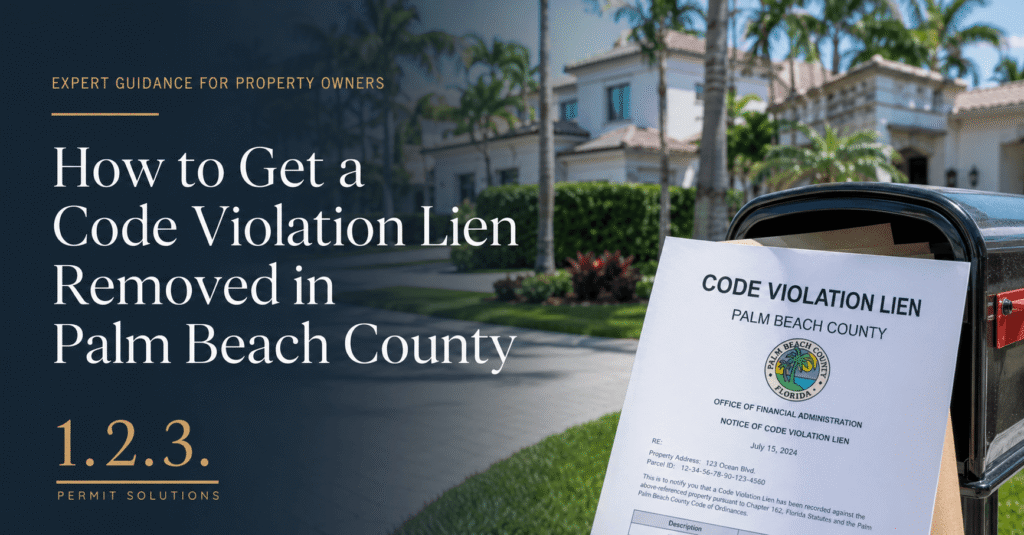
Palm Beach County Code Lien Help How to Get a Code Violation Lien Removed in Palm Beach County A code violation lien can delay a sale, block refinancing, create title problems, and leave property owners feeling overwhelmed. If you have a code enforcement lien on a Palm Beach County property, the path to removal usually starts with compliance, proper documentation, city or county communication, and a clear lien reduction or release strategy. Request a Free Consultation Call 123 Permit Solutions Code Violation Lien on Your Palm Beach County Property? Start With the Right Plan. If you are asking “how to get a code violation lien removed in Palm Beach County,” you are probably facing one of the most stressful property issues an owner can deal with. A lien may appear during a title search, before a closing, after a code enforcement case, during a refinance, or when trying to resolve old property violations that were never properly closed. A code violation lien is not something to ignore. It can attach to the property, create serious problems during a transaction, and continue to complicate ownership until the underlying issue is addressed. In many cases, the owner must first bring the property into compliance before the city, county, or Special Magistrate process will consider lien reduction, settlement, satisfaction, or release. 123 Permit Solutions helps property owners, investors, real estate agents, contractors, landlords, and title professionals navigate this process professionally. We review the lien, research the violation history, identify compliance requirements, coordinate permits or inspections when needed, and help prepare the documentation required to move toward lien removal or reduction. What Is a Code Violation Lien in Palm Beach County? A code violation lien is a legal claim placed against a property because a code enforcement violation was not corrected within the required timeframe. These liens often come from issues such as unpermitted construction, expired permits, property maintenance violations, unsafe structures, overgrown lots, illegal use of property, zoning violations, or repeated noncompliance. In Palm Beach County, code enforcement matters can involve either unincorporated Palm Beach County or a specific municipality such as West Palm Beach, Boca Raton, Boynton Beach, Delray Beach, Lake Worth Beach, Palm Beach Gardens, Riviera Beach, Wellington, Jupiter, or another local city. This matters because each jurisdiction may have its own process, forms, fees, hearings, departments, and lien reduction procedures. Important: The First Question Is “Who Placed the Lien?” Before you can remove a code violation lien, you need to identify the exact jurisdiction and case. A lien from unincorporated Palm Beach County is handled differently from a lien issued by the City of West Palm Beach, Boca Raton, Delray Beach, Boynton Beach, Lake Worth Beach, or another municipality. How to Get a Code Violation Lien Removed in Palm Beach County: Step-by-Step The exact process depends on the violation, the city or county department, the amount of fines, whether the property is compliant, and whether permits or inspections are still required. In most cases, these are the steps property owners must follow. 1 Identify the Lien and Case Number Start by confirming the lien recording information, code enforcement case number, property control number, violation address, owner name, and the agency that issued the lien. 2 Research the Violation History Review the original notice, inspection history, Special Magistrate order, accrued fines, compliance status, permit records, and any prior correspondence with the city or county. 3 Determine Whether the Property Is Compliant Many lien reduction or lien release requests cannot move forward until the property is inspected and confirmed compliant by the proper department. 4 Correct the Underlying Violation Compliance may require repairs, cleanup, contractor work, permit applications, after-the-fact permits, professional plans, inspections, or closing expired permits. 5 Request Lien Reduction or Release Once compliance is confirmed, the owner may be able to request a fine reduction, lien settlement, satisfaction of lien, or Special Magistrate hearing depending on the jurisdiction. 6 Obtain and Record Final Proof After approval and payment, make sure you receive the proper release, satisfaction, payoff confirmation, or recorded document needed for title and closing purposes. Compliance Usually Comes Before Lien Removal This is where many property owners get stuck. They focus only on the dollar amount of the lien, but the real issue is often the property’s compliance status. If the violation is still active, if permits are open, if inspections failed, or if unpermitted work still needs to be corrected, the jurisdiction may not approve a lien reduction or release. Before asking for a reduction, settlement, or release, the owner typically needs to show that the violation has been corrected and officially verified. The city or county may require a reinspection. Unpermitted work may require an after-the-fact permit. Expired permits may need to be reactivated and closed. Unsafe conditions may require professional reports or repairs. Title companies may require recorded proof of release or satisfaction. Common Code Violation Liens in Palm Beach County Code violation liens can come from many different property issues. Some are simple maintenance problems. Others involve building, zoning, unsafe structures, unpermitted work, or open permits that require professional coordination. Type of Code Violation Lien What It Usually Means What May Be Needed to Remove It Unpermitted Work Lien Construction, remodeling, electrical, plumbing, mechanical, roofing, windows, additions, or structural work may have been completed without required permits. After-the-fact permit, plans, contractor documents, inspections, corrections, and official compliance confirmation. Expired or Open Permit Lien A permit was issued but never finalized, inspected, or closed, leaving the property with unresolved building department issues. Permit research, reactivation or renewal, inspection scheduling, corrections, and final permit closure. Property Maintenance Lien The property may have unresolved exterior maintenance issues, trash, debris, overgrowth, broken fencing, damaged structures, or nuisance conditions. Cleanup, repairs, photo documentation, reinspection, and compliance verification. Unsafe Structure Lien The jurisdiction may believe the property has structural, safety, electrical, roof, balcony, wall, or occupancy concerns. Professional evaluation, repair plan, engineering documents, permits, contractor work, and inspections. Zoning or Use Lien The property may be used in a
how can i remove city lien from my property in Broward County?
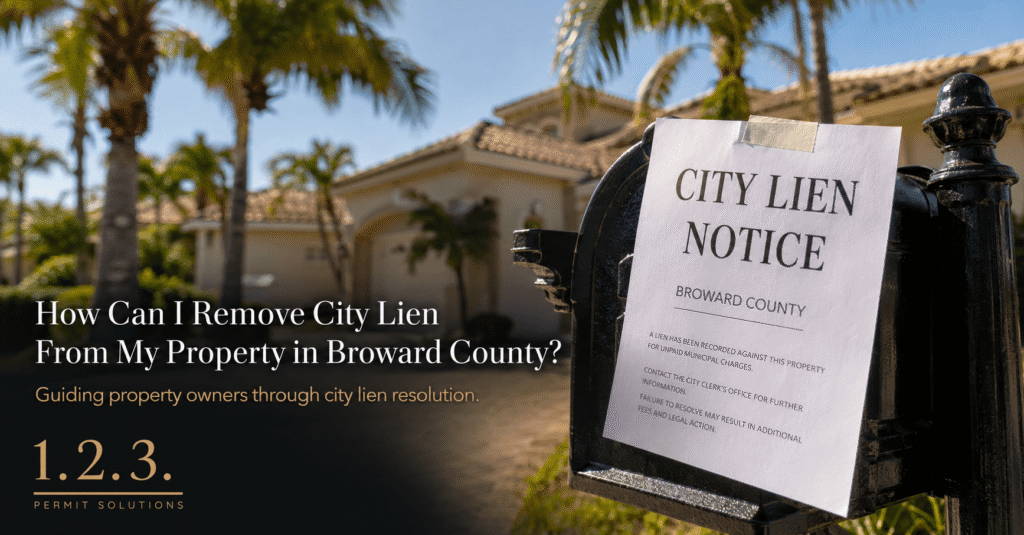
Broward County City Lien Help How Can I Remove a City Lien From My Property in Broward County? A city lien on your Broward County property can feel overwhelming, especially if you are trying to sell, refinance, close a permit, resolve a code violation, or stop fines from growing. The good news is that many municipal liens can be addressed with the right compliance plan, proper documentation, and professional guidance. Get Help With a City Lien Call 123 Permit Solutions City Lien on Your Broward County Property? Do Not Panic — But Do Not Ignore It. If you are searching for “how can I remove a city lien from my property in Broward County,” you are probably dealing with a stressful situation. Maybe a title company found a lien before closing. Maybe a city code violation turned into daily fines. Maybe you purchased a property and discovered old municipal issues that were never cleared. Or maybe the city is telling you the lien cannot be released until the property is brought into compliance. At 123 Permit Solutions, we help property owners navigate this process hand by hand. We understand that city liens, code enforcement violations, after-the-fact permits, inspections, hearings, fines, and lien reduction requests can feel confusing and intimidating. Our role is to help you understand what the city needs, organize the right documents, coordinate the required steps, and move the property toward lien release or lien reduction. A lien does not usually disappear just because the property owner pays attention to it late. It must be researched, understood, corrected, negotiated when possible, and officially released through the proper city or county process. What Is a City Lien in Broward County? A city lien is a legal claim against a property. In Broward County, municipal liens commonly come from code enforcement violations, unpaid city fees, unsafe property conditions, unpermitted work, expired permits, nuisance violations, utility balances, lot clearing, board-up costs, property maintenance issues, or fines imposed after a city enforcement case. A city lien can affect your ability to sell, refinance, transfer, or cleanly insure the property. In many cases, the lien must be resolved before a real estate closing can move forward. Important: A City Lien Is Not Always the Same as a Mortgage Lien or Tax Lien A municipal or code enforcement lien is often tied to a local city issue, such as a violation, unpaid fine, expired permit, or required correction. That means the process usually requires more than simply paying a balance. The city may require compliance first, then a fine reduction or lien release process. How To Remove a City Lien From Your Broward County Property The exact process depends on the city, the type of lien, the age of the case, whether violations are still active, and whether fines have accumulated. In general, removing a city lien requires these steps: 1 Identify the Lien Confirm which city, department, case number, violation, permit, or balance caused the lien. Broward properties can have issues from the city, county, building department, code compliance division, or other municipal departments. 2 Research the Property Record Review code enforcement records, municipal lien searches, building records, open permits, expired permits, inspection history, violation notices, fines, and recorded documents. 3 Find Out If the Property Is in Compliance Many cities will not consider lien reduction or lien release until the violation is corrected and the property is officially brought into compliance. 4 Correct the Violation This may require repairs, cleanup, after-the-fact permits, inspections, drawings, contractor work, engineering, zoning corrections, or closing old permits. 5 Apply for Lien Reduction or Release Once the property is compliant, the owner may be able to request a fine reduction, lien settlement, lien release, or hearing depending on the city’s process. 6 Get the Release Recorded After approval and payment, the city may issue a satisfaction or release of lien. Make sure the release is properly recorded or documented for title and closing purposes. The Biggest Mistake Property Owners Make With City Liens The biggest mistake is assuming that a city lien is only about money. Many Broward County property owners believe they can simply pay a reduced amount and make the issue go away. That is not always true. If the lien came from code enforcement, the city may require the property to be brought into compliance before any reduction or release is considered. That means you may need to fix the violation, close open permits, submit after-the-fact permits, pass inspections, provide photos, submit documentation, and then request a fine reduction or lien release. Paying money may not remove the lien if compliance was never confirmed. Fixing the property may not remove the lien if the city was never notified. Passing an inspection may not remove the lien if fines still need to be addressed. A title company may still require recorded proof that the lien was satisfied or released. Common Reasons Broward County Properties Get City Liens City liens are common in Broward County because many properties have old violations, unclosed permits, unpermitted work, or unresolved code enforcement cases. These issues often appear during a sale, refinance, title search, insurance review, investor purchase, or property transfer. Reason for the Lien What It Usually Means What May Be Needed to Resolve It Code Enforcement Violation The city issued a violation and fines may have accumulated after noncompliance. Correct violation, request inspection, confirm compliance, then pursue fine reduction or lien release. Unpermitted Work Construction, remodeling, electrical, plumbing, mechanical, roofing, or structural work may have been completed without permits. After-the-fact permit, plans, contractor documents, inspections, and corrections if required. Expired or Open Permit A permit was opened but never finalized, inspected, or closed. Permit research, renewal or reactivation, inspection scheduling, corrections, and closure. Unsafe Property Condition The city may believe the property has safety concerns, structural problems, dangerous conditions, or neglected repairs. Professional evaluation, repairs, permit work, inspection, and proof of compliance. Property Maintenance Issue Violations may involve overgrowth, debris, damaged exterior areas, abandoned property, broken fencing,
City of Fort Lauderdale Violation Notice? What To Do Next
Fort Lauderdale Code Compliance Help City of Fort Lauderdale Violation Notice: What To Do Next Before Fines, Delays, or Liens Get Worse If you received a City of Fort Lauderdale violation notice, do not ignore it. The right next step depends on the type of violation, the correction deadline, whether a permit is required, and whether the property already has fines, hearings, or liens attached to it. Get Violation Help Today Call Permit Specialist: (754) 364-0718 Received a Fort Lauderdale Property Violation Notice? Start Here. A City of Fort Lauderdale violation notice usually means the City believes your property has a code compliance, building, zoning, maintenance, unsafe structure, permit, or use-related issue that must be corrected. For many property owners, the notice is confusing because it may reference code sections, deadlines, case numbers, inspections, permit requirements, or a hearing date without clearly explaining the fastest path to compliance. The biggest mistake is waiting. A small violation can turn into repeat inspections, daily fines, a Special Magistrate hearing, a recorded lien, permit delays, failed closings, or problems refinancing the property. The good news is that many violations can be resolved when you move quickly, document the issue, communicate properly, and submit the right permit or correction package. What To Do Next After a City of Fort Lauderdale Violation Notice If you are asking, “I got a City of Fort Lauderdale violation notice — what do I do next?” follow these steps before making repairs, paying fines, or calling random contractors. 1 Read the Notice Carefully Look for the case number, property address, violation description, code section, correction deadline, inspector contact information, required action, and any hearing date. This tells you how urgent the case is. 2 Confirm the Violation Type Determine whether the issue is simple maintenance, unpermitted work, expired permits, unsafe conditions, zoning use, vacation rental compliance, exterior property standards, or construction without approvals. 3 Check City Records Search the case, permit, or property record through the City’s online systems to see status, fees, deadlines, history, open permits, failed inspections, or related violations. 4 Do Not Guess the Fix Some violations require permits, drawings, contractor corrections, inspections, or after-the-fact approvals. Fixing the visible issue without clearing the official case can leave the violation open. 5 Document Everything Take clear photos, save the notice, collect old permits, invoices, plans, contractor records, property surveys, and inspection documents. You may need these to prove progress or compliance. 6 Get Professional Help Fast A permit expeditor or code compliance specialist can help identify the exact path to closure, coordinate required plans, handle submissions, monitor reviews, and communicate with the City. Why Fort Lauderdale Violation Notices Become Expensive Property owners usually get into trouble because they underestimate the violation. In Fort Lauderdale, a code issue can involve more than cleaning up a property or making a quick repair. If the violation involves construction, alterations, electrical work, plumbing, mechanical systems, structural changes, additions, fences, windows, doors, roofing, signs, or occupancy issues, the City may require permits, plans, licensed contractors, inspections, or after-the-fact approval. Unpermitted work may require after-the-fact permits and inspections. Expired permits may need renewal, reactivation, inspections, or closure. Unsafe conditions may require professional reports, engineering, or immediate correction. Zoning or use violations may require documentation, applications, or a change in property use. Open fines or liens may require compliance first, then negotiation or lien reduction. Common City of Fort Lauderdale Violation Notices Property Owners Receive Fort Lauderdale violation notices can vary depending on the property, neighborhood, complaint, inspection history, and work performed. Below are some of the most common violation categories that create serious delays for homeowners, investors, landlords, commercial property owners, and real estate professionals. Violation Type What It Usually Means What May Be Needed Next Work Without Permit Construction, repairs, additions, or improvements may have been performed without required City approval. After-the-fact permit, plans, contractor documents, inspections, and correction of noncompliant work. Expired or Open Permit A previous permit was never closed, inspected, or finalized. Permit research, renewal/reactivation, inspection scheduling, corrections, or permit closure. Unsafe Structure The City may believe a structure, addition, roof, balcony, wall, electrical system, or building component is unsafe. Professional evaluation, engineering letter, repair plan, permits, contractor work, and reinspections. Property Maintenance Issues may involve exterior conditions, overgrowth, trash, damaged structures, peeling paint, abandoned items, or nuisance conditions. Physical cleanup or repairs, photo documentation, inspector confirmation, and case follow-up. Zoning or Use Issue The property may be used in a way that conflicts with zoning, occupancy, parking, signage, or business use rules. Zoning review, documentation, application filing, compliance correction, or use clarification. Vacation Rental Compliance Short-term rental activity may require registration, documentation, certificates, inspections, or operational compliance. Vacation rental licensing support, required records, corrective actions, and City communication. Code Fines or Liens The property may have accumulated fines or recorded liens from unresolved violations. Compliance first, then fine reduction, lien negotiation, or Special Magistrate preparation. Do You Need an After-the-Fact Permit in Fort Lauderdale? If the violation notice mentions unpermitted work, construction without approval, work done without inspections, or improvements that cannot be verified in City records, you may need an after-the-fact permit in Fort Lauderdale. What Is an After-the-Fact Permit? An after-the-fact permit is a permit submitted after work has already been performed. The City may require plans, contractor information, product approvals, surveys, engineering, photos, affidavits, inspections, and corrections before the permit can be approved and closed. Examples of Work That May Trigger After-the-Fact Permits Interior remodeling completed without permits Garage conversions or illegal additions Electrical panel changes, wiring, or lighting work Plumbing alterations, bathroom additions, or kitchen remodeling HVAC replacements, ductwork, or mechanical changes Impact windows, doors, shutters, or structural openings Roofing, framing, decks, fences, or exterior structures Commercial buildouts or tenant improvements Important: Do Not Cover or Hide the Work If the City needs to inspect concealed work, you may be asked to expose certain areas, provide professional certification, or submit corrective documentation. Trying to hide unpermitted work can make the case harder and
How to Get a Building Permit in 2026: A Step by Step Guide for Homeowners
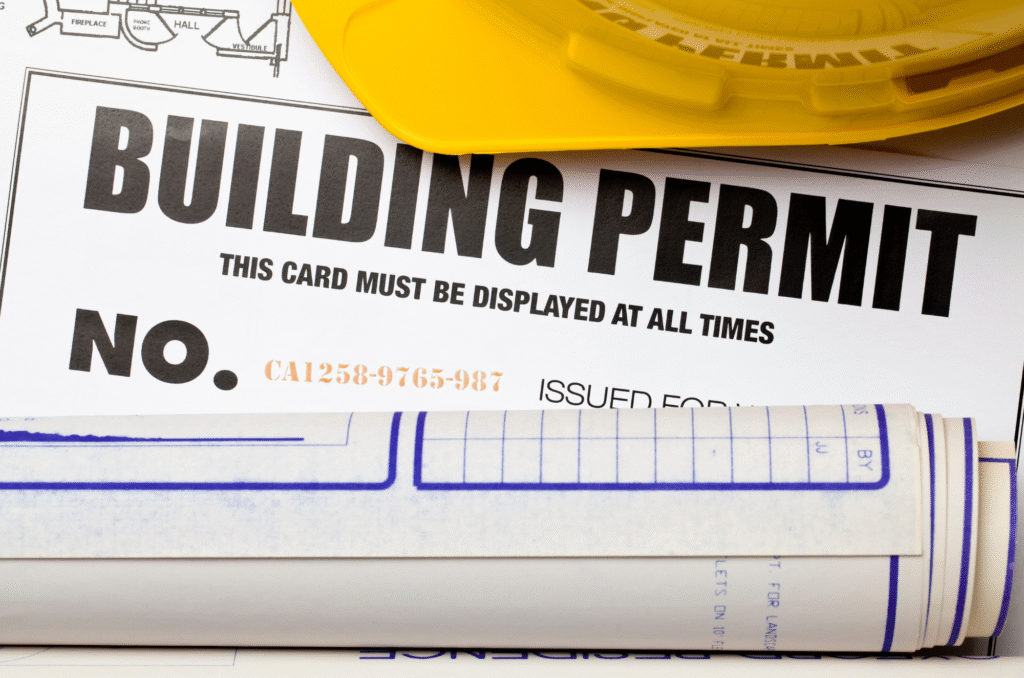
Planning a renovation or home improvement project in 2026 comes with a lot of decisions, but one of the most important happens before any work begins: getting the right building permit. Many homeowners are unsure where to start, what documents are required, or how long approvals actually take. In 2026, permitting rules continue to evolve, with many cities tightening review standards and moving more steps online. Missing one detail can delay your project for weeks or even months. This guide explains how to get a building permit in 2026, step by step, so you know exactly what to expect and how to avoid common problems before construction starts. What Is a Building Permit and Why It Matters in 2026 A building permit is official approval from your local building department confirming that your project meets current safety codes, zoning regulations, and construction standards. In 2026, permits matter more than ever because: Building codes are updated regularly Cities rely heavily on digital plan reviews Inspections are more strictly enforced Insurance and resale issues are closely tied to permit records Even projects that seem minor can trigger permit requirements if they involve electrical, plumbing, or structural work. Step 1: Determine Whether Your Project Requires a Permit One of the most common homeowner mistakes is assuming a permit isn’t needed. In 2026, permits are commonly required for: Kitchen and bathroom remodels Room additions or conversions Structural changes Electrical or plumbing upgrades Roof replacements Garage or attic conversions Permit requirements vary by city, so confirming this early is critical. Starting work without a permit can lead to stop work orders and fines. Step 2: Gather the Required Documents Before applying, most building departments require detailed documentation. This often includes: Construction plans or drawings Property surveys Scope of work descriptions Contractor or owner builder information Engineering documents for structural changes Incomplete or inconsistent documents remain the top reason permits are delayed in 2026. Step 3: Submit the Building Permit Application In 2026, many cities require online submission through digital permitting portals. During submission: All documents must match the project scope Information must be consistent across forms Fees are typically paid upfront Errors at this stage often result in review comments later, extending timelines. Step 4: Address Plan Review Comments After submission, your application enters plan review. Reviewers may request: Corrections to drawings Additional documentation Clarifications on materials or layout Timely and accurate responses are essential. Delays often occur when comments are misunderstood or answered incompletely. Step 5: Receive Permit Approval Before Starting Work Only after all comments are resolved will your permit be approved. In 2026, many cities track construction activity closely, and starting work early can result in: Stop work orders Fines or penalties Required inspections of completed work Waiting for approval protects your project and your investment. Step 6: Schedule Inspections Throughout the Project Most permitted projects require inspections at various stages, such as: Rough inspections Electrical or plumbing inspections Final inspection Missing an inspection can delay project completion or final approval, even if the work itself is done correctly. Common Permit Mistakes Homeowners Still Make in 2026 Despite better tools, homeowners continue to face delays due to: Submitting incomplete applications Using outdated plans Underestimating permit requirements Starting work too early Misinterpreting local code rules These mistakes can add unexpected costs and stress to any project. How 123 Permit Solutions Helps Homeowners in 2026 Navigating permits can be overwhelming, especially with updated processes and stricter reviews. 123 Permit Solutions helps homeowners manage the process from start to finish by: Confirming permit requirements Preparing and submitting applications Coordinating with building departments Managing corrections and resubmittals Tracking approvals and inspections This support helps homeowners avoid delays and keep projects moving forward. Frequently Asked Questions (FAQs) How long does it take to get a building permit in 2026? Timelines vary by project and location. Some permits are approved in weeks, while others take longer depending on complexity and review requirements. Can I apply for a building permit myself? Yes, but many homeowners choose professional help to avoid mistakes and delays. What happens if I start work without a permit? You may face stop work orders, fines, and required inspections of completed work. Do interior renovations require permits? Often yes, especially when electrical, plumbing, or structural changes are involved. Can a permit be fixed if it was submitted incorrectly? In many cases, yes. Corrections and resubmittals can resolve most issues when handled properly. Final Thoughts Understanding how to get a building permit in 2026 helps homeowners plan smarter, avoid delays, and protect their property value. With the right preparation and guidance, the permitting process doesn’t have to slow your project down. Getting it right from the beginning saves time, money, and frustration. If you’re planning a home project in 2026 and want help navigating the building permit process, professional guidance can make a real difference. 🌐 Visit: https://123permitsolutions.com/ Get support with building permits before delays impact your project.
How Much Does It Cost to Pull an Electrical Permit in Florida?
Florida Permit Cost Guide How Much Does It Cost to Pull a Permit for Electrical Work in Florida? Electrical permit costs in Florida are not one-size-fits-all. The price depends on the city, county, project type, job value, plan review needs, inspections, contractor licensing, and whether the work is being legalized after it was already completed. If you are asking, “how much does it cost to pull a permit for electrical?” the honest answer is this: a simple electrical permit in Florida may cost a few hundred dollars, but the real cost can increase when drawings, corrections, inspections, after-the-fact work, or code violations are involved. At 123 Permit Solutions, we help Florida property owners, investors, contractors, and businesses handle permits, code compliance, after-the-fact permits, plan corrections, inspections, and permit closeouts. Electrical permits are one of the most important permits to handle correctly because they involve safety, insurance risk, property resale issues, and local building department approval. Quick answer: In many Florida cities, a standard electrical permit commonly starts around $150 to $500+ for basic residential work. Larger electrical projects, commercial work, panel upgrades, service changes, generator installations, violations, and after-the-fact permits can cost more once city fees, plan review, inspections, drawings, contractor involvement, and permit expediting are included. What Is an Electrical Permit? An electrical permit is approval from the local building department to perform electrical work legally. It creates a record that the work was reviewed, inspected, and completed according to Florida Building Code requirements and local municipal rules. In Florida, electrical work is taken seriously because bad wiring can create fire hazards, failed inspections, insurance problems, code violations, and unsafe living conditions. Even a project that seems small can require a permit depending on the city and the scope of work. Average Electrical Permit Cost in Florida Small Electrical Work $150 – $350+ Often applies to minor residential electrical repairs, small circuits, outlets, lighting changes, or limited electrical upgrades. Pricing depends on the city fee schedule. Panel Upgrades & Service Changes $250 – $800+ Electrical panel changes, meter work, service upgrades, and major electrical replacements usually involve more review and inspection requirements. After-the-Fact Electrical Permits $500 – $2,500+ If work was done without a permit, the cost can increase because plans, corrections, contractor sign-off, inspections, and violation resolution may be needed. These are practical ranges, not fixed prices. Every building department has its own fee structure. For example, some municipalities charge a minimum permit fee, while others calculate fees based on valuation, number of fixtures, service size, inspections, technology fees, surcharges, or reinspection fees. Why Electrical Permit Costs Vary by City in Florida Florida permitting is local. That means the price to pull an electrical permit in Miami-Dade may not be the same as Broward, Palm Beach, Orlando, Tampa, Fort Lauderdale, Hollywood, Coral Gables, or a smaller municipality. The same electrical project can also be treated differently depending on the property type. A single-family home, condo, commercial space, restaurant, warehouse, multifamily building, and vacation rental property may each require a different process. The Biggest Factors That Affect Electrical Permit Cost Project scope: A small outlet repair is not priced like a full panel replacement or commercial buildout. Property type: Residential and commercial permits are often calculated differently. City or county: Each Florida building department has its own permit fee schedule. Plans and drawings: Some electrical work may require signed and sealed plans or supporting documentation. Inspections: Failed inspections or reinspections can add extra cost. After-the-fact work: Permits pulled after work was completed are usually more complicated. Violations: If a code violation exists, the permit may be part of a larger compliance case. Permit expediting: Professional help can reduce delays, rejected applications, and city back-and-forth. Do You Need a Permit for Electrical Work in Florida? In many cases, yes. Electrical permits are commonly required for panel upgrades, new circuits, rewiring, service changes, generator hookups, major lighting work, commercial electrical improvements, additions, remodels, and work connected to other construction permits. Some homeowners assume that a small electrical job does not need a permit. That can be an expensive mistake. If the city later discovers unpermitted electrical work, the property owner may need an after-the-fact permit, corrections, inspections, contractor involvement, and sometimes violation support. Important Florida note: Even when certain minor property improvements may qualify for permit exemptions, electrical, plumbing, mechanical, gas, and structural work are often treated separately. Electrical work should always be verified with the local building department before the job starts. Real Example: Why a $250 Permit Can Turn Into a Bigger Problem A homeowner replaces an electrical panel without properly closing the permit. The work looks complete, but the final inspection was never approved. Months later, the owner tries to sell the property. The title company or buyer’s inspection finds an open permit. Now the owner has to reopen the file, provide documentation, schedule inspections, possibly make corrections, and wait for the city to close it. That is why the permit fee itself is only one part of the cost. The bigger risk is delay. A missing electrical permit can affect a sale, insurance claim, renovation timeline, tenant buildout, or certificate of completion. What Happens If Electrical Work Was Done Without a Permit? If electrical work was already completed without a permit, you may need an after-the-fact permit. This process can be more complicated than a regular permit because the city may need proof that the work is safe and code compliant. Depending on the situation, the building department may request photos, drawings, contractor letters, inspections, corrections, access to concealed work, or updated plans. If the work is connected to a code violation, there may also be fines, hearings, or compliance deadlines. This is where 123 Permit Solutions becomes valuable. We help organize the paperwork, coordinate the right professionals, communicate with the city, and move the file toward approval instead of letting the issue drag on. How 123 Permit Solutions Helps With Electrical Permits in Florida Pulling an electrical permit sounds simple until the city asks for